Early Detection of Prostate Cancer
What is cancer screening?
Screening for cancer uses tests to try to catch cancer in its early stages, when it is most treatable. Many cancers are slow growing, but some are more aggressive and can be life-threatening. The earlier that aggressive cancer is found, the better a person’s chance of surviving it.
How do you screen for cancer?
Screening to detect cancer may include a combination of the following:
- Specific Antigen () is a blood test used to screen for cancer.
- Digital rectal exam (DRE) involves the doctor inserting a gloved, lubricated finger into the rectum to feel the gland for enlargement or lumps.
- () is a special type of imaging that can create a more detailed map of the . Although a newer type of imaging, is being used more for people at high risk for aggressive cancer.
Get notified when updated information becomes available.
SIGN UP FOR CONTENT UPDATESProstate Cancer Genetics: Experts Discuss Risk, Screening and Treatment
What are the benefits and risks of screening?
Although the tests for cancer detection are not invasive, it's important to weigh the benefits and risks of cancer screening.
Risks associated with overscreening
Many experts worry that routine screening in average-risk men can lead to more harm than good. This is because most cancers grow very slowly and are unlikely to spread. When cancer screening finds an abnormality, it may lead to a biopsy—an invasive test that removes a piece of tissue and checks it for cancer. Detecting and treating these slow-growing cancers may not improve health outcomes, while biopsy or treatment can lead to discomfort and side effects.
Benefits of screening in high-risk individuals
Some cancers can be very aggressive, spreading to other organs and increasing the risk of death. Finding these cancers early through screening may help men live longer. These aggressive cancers are more common in:
- Black people
- people with inherited mutations in and and possibly other mutations linked to cancer (note: more research is needed to determine if mutations in other genes cause more aggressive cancers)
- people with a family history of young-onset or aggressive cancer
Other factors that affect the benefits and risks of cancer
- age
- overall health
- lifetime risk for cancer
- risk for developing aggressive disease
- personal preferences
Bottom line
Most experts agree that people should have a discussion with their doctor about cancer screening, which includes:
- their risk for developing cancer
- their risk for developing aggressive disease
- the benefits and harms of cancer screening compared to not screening
Most experts feel that the benefits outweigh the harms for people at high risk for aggressive cancer.
See below for expert guidelines.
What are the signs of cancer?
All people at high risk for cancer should be educated on the possible signs. However, cancer may not cause any symptoms, especially in its earliest stages. You should report any of the following symptoms to your doctor:
- problems urinating, including a slow or weak urinary stream or the need to urinate more often, especially at night
- blood in the urine or semen
People with more advanced cancer may develop the following symptoms (note: these symptoms do not necessarily mean you have cancer; other conditions can cause the signs listed below):
- trouble getting an erection
- pain in the hips, back or other bones
- weakness or numbness in the legs or feet
- loss of bladder or bowel control
- weight loss
- fatigue
|
Gene or Risk Level |
Beginning Age |
Recommendation |
|
40 |
Recommend Specific Antigen () test. Many experts also recommend a digital rectal examination that allows your doctor to feel for abnormalities in the . |
|
|
50 (or earlier based on the youngest case of cancer in the family) |
Talk with your doctor about the benefits, costs and risks of having a baseline MRI. () is a special type of imaging that can create a more detailed map of the . |
|
|
40 |
Have a conversation with your doctor about your risk for aggressive cancer and the benefits and risks of screening. If you choose to have screening, the guidelines recommend a Specific Antigen () test. Many experts also recommend a digital rectal examination that allows your doctor to feel for abnormalities in the . |
|
|
50 (or earlier based on the youngest case of cancer in the family) |
If you choose to have screening, talk with your doctor about the benefits, costs and risks of having a baseline MRI. () is a special type of imaging that can create a more detailed map of the . |
|
|
40 |
Have a conversation with your doctor about the potential benefits, risks, costs and limitations of screening for cancer. If you choose to have screening, the guidelines recommend a Specific Antigen () test. Many experts also recommend a digital rectal examination that allows your doctor to feel for abnormalities in the . Researchers are testing new approaches to cancer screening for high-risk people through clinical trials. |
|
|
40 |
Have a conversation with your doctor about the potential benefits, risks, costs and limitations of screening for cancer. If you choose to have screening, the guidelines recommend a Specific Antigen () test. Many experts also recommend a digital rectal examination that allows your doctor to feel for abnormalities in the . Researchers are testing new approaches to cancer screening for high-risk people through clinical trials. |
|
Source: NCCN Guidelines: Genetic/Familial High-Risk Assessment: Breast, Ovarian, Pancreatic, , vs. 2, 2025; Source: NCCN Guidelines: Cancer Early Detection, vs. 1, 2026. |
||
Prostate screening guidelines for average-risk people
There are several different guidelines for cancer screening in people of average risk. All of the guidelines include having a conversation with your doctor about your risk for cancer and the benefits, risks and limitations of screening using PSE testing and DRE. The recommended frequency of screening depends on whether the results are low or slightly elevated. See the table below for more details.
|
Guideline |
Beginning Age |
Recommendation |
|
National |
45 |
Have a conversation with your doctor about the benefits and risks of screening. Consider screening with Specific Antigen () test and digital rectal exam (DRE). If you choose to have screening:
|
|
The U.S. Preventive Services Task Force |
55 until age 70 |
Have a conversation with your doctor about the benefits and risks of screening in order to decide what is right for you.
|
|
American Cancer Society |
50 |
Have a conversation with your doctor about the benefits and risks of screening in order to decide what is right for you. If you choose to have screening:
|
|
Source: NCCN Guidelines: Genetic/Familial High-Risk Assessment: Breast, Ovarian, Pancreatic, , vs. 2, 2025; Source: NCCN Guidelines: Cancer Early Detection, vs. 1, 2026; American Cancer Society Recommendations for Cancer Early Detection. |
||

Multi-Cancer Detection Blood Tests in Adults Without Cancer: Vanguard Study
Clinicaltrials.gov identifier: NCT06995898

An Early Detection and Prevention Study for People with an Increased Risk of Cancer (InAdvance)
Clinicaltrials.gov identifier: NCT05463796
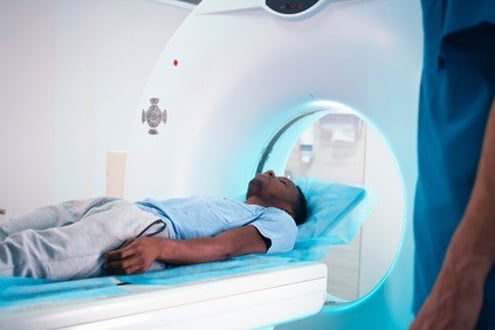
Using a Shorter Type of MRI as a Screening Tool for People at High Risk for Prostate Cancer
Clinicaltrials.gov identifier: NCT05384535
The Prostate Cancer, Genetic Risk, and Equitable Screening Study (ProGRESS)
Clinicaltrials.gov identifier: NCT05926102
PATROL Study: Prostate Cancer Screening for People AT Genetic Risk FOr Aggressive Disease
Clinicaltrials.gov identifier: NCT04472338

Screening Study for Men at High Genetic Risk for Prostate Cancer
Clinicaltrials.gov identifier: NCT03805919

Screening in Men at High Risk of Developing Prostate Cancer
Clinicaltrials.gov identifier: NCT05608694

Prostate Cancer Genetic Risk Evaluation and Screening Study (PROGRESS)
Clinicaltrials.gov identifier: NCT05129605